Same day Brompton rubbish removal insider tips to avoid delays
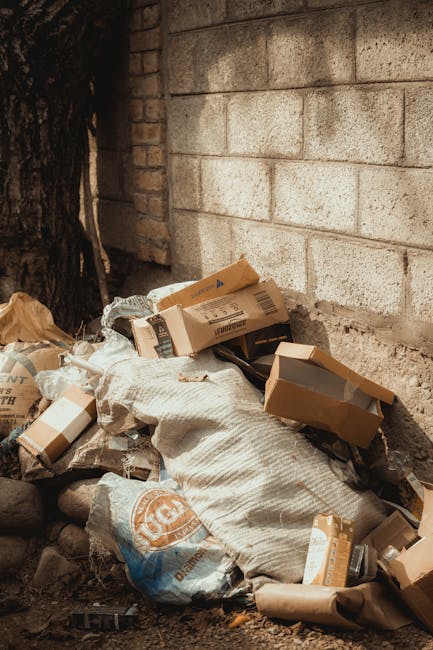
If you need rubbish gone today, speed matters - but so does getting the job done without annoying setbacks. Same day Brompton rubbish removal insider tips to avoid delays are really about preparation: knowing what to sort, what to mention, and what can trip a crew up before they even arrive. In Brompton, where access can be tight, parking can be awkward, and schedules are often packed, a few small decisions can make the difference between a smooth collection and a frustrating wait. Let's walk through the practical stuff that actually helps.
Whether you are clearing a flat, a loft, an office, or a pile of builder's debris after a rushed job, the goal is the same: book once, collect once, no drama. Simple enough in theory. In real life, not always. So below you'll find the insider tips that tend to save the most time, the common mistakes that cause delays, and the bits customers often forget until the van is already nearby. A little planning now can save a lot of back-and-forth later.
Why Same day Brompton rubbish removal insider tips to avoid delays Matters
Same-day clearance sounds straightforward until the little complications start piling up. A van arrives, but the lift is too small. The waste is in three rooms. Someone thought "a few bags" meant something very different. Or there's no quick answer on parking, so the crew is circling the block while the clock ticks. In Brompton, that sort of delay is especially common because access can be tight and every minute matters in a busy day.
The point of insider tips is not to overcomplicate things. It is to remove uncertainty. When a rubbish removal team knows what they are collecting, where it is, and how to access it, they can often work fast and cleanly. When they do not, the job slows down. That may mean a later arrival, extra labour time, or in some cases a reschedule. Nobody wants that if the space needs clearing before tenants arrive, works start, or a property goes back on the market.
There's also the human side. If you've got builders waiting, a landlord inspecting, or a room you need back by tea time, delays feel much bigger than they look on paper. Truth be told, that's why good preparation matters more than most people expect.
For broader household clearances, it can also help to look at related services such as house clearance or home clearance if your job is more than a simple one-off collection. For mixed waste or bulkier loads, waste removal guidance may be a better fit.
Key takeaway: the fastest same-day collections are usually the ones that are most clearly described before anyone sets off. If the team can picture the job, they can plan the job.
How Same day Brompton rubbish removal insider tips to avoid delays Works
Most same-day collections follow a simple sequence: you request a booking, explain what needs removing, the team confirms timing and access, and the collection happens as planned. The "insider" part is really about reducing unknowns at each stage. That sounds obvious, but it's where most delays begin.
Here's the typical flow, in plain English:
- You describe the load accurately. Say what it is, roughly how much there is, and where it sits in the property.
- The provider checks feasibility. They'll consider vehicle space, crew size, access, and timing.
- You confirm practical details. Parking, entry codes, lift access, road restrictions, and any fragile surroundings matter more than people think.
- The crew arrives with the right setup. If the job is clearly described, they can bring the proper equipment and enough labour.
- The rubbish is removed and sorted. Reusable and recyclable items may be separated where possible, and the area is left tidy.
The big delay triggers are almost always predictable: underestimated volume, blocked access, hidden items in lofts or cupboards, and unclear parking arrangements. If you can remove those uncertainties early, the same-day part becomes much easier. That's the real secret, honestly.
If your clearance includes awkward items like worn sofas, old beds, or heavy tables, a quick look at furniture disposal and furniture clearance can help you describe what's actually there, rather than saying "just a few bits" and hoping for the best. Hope is not a logistics strategy. Useful, but not ideal.
Key Benefits and Practical Advantages
Why bother with same-day collection at all? Usually because time is tight and the mess is getting in the way of something else. There's a practical relief to it. You clear the space, breathe out, and suddenly the next job can happen.
The biggest benefits are usually these:
- Faster turnaround: ideal when you need a room, hallway, office, or outdoor area cleared urgently.
- Less disruption: you avoid waste sitting around for days, which is especially useful in shared buildings.
- Better planning: a same-day slot can help you coordinate with decorators, movers, cleaners, or tradespeople.
- Lower stress: it is one less thing hanging over you, and that matters more than people admit.
- Cleaner finish: a quick collection can stop clutter spreading into other areas of the property.
There's also a commercial angle. For letting agents, landlords, shop owners, and office managers, a swift clearance can protect the day's schedule. If a unit has to be handed over, booked in for work, or prepared for staff, delays can ripple into the rest of the week. A small snag becomes a larger one. You know how it goes.
For workplaces, it may be worth comparing general collections with office clearance or business waste removal if you're handling desks, filing, packaging, or mixed commercial waste. For builders' debris, builders waste clearance is often the more relevant route.
Who This Is For and When It Makes Sense
Same-day rubbish removal is not only for emergencies. It can make sense anytime the waste is blocking progress. That might sound a bit dramatic, but it is often true. If clutter is stopping a sale, a move, a repair, or a handover, speed becomes part of the value.
It tends to suit:
- homeowners who need a quick clear-out before visitors, contractors, or deliveries
- tenants leaving a flat and trying to hand it back tidy
- landlords dealing with leftover furniture or mixed rubbish after a tenancy
- shop and office managers needing an urgent tidy before trading or staff arrival
- builders and tradespeople who need materials removed from a site fast
- people sorting garages, lofts, or spare rooms on a short timeline
If you live in a flat or upper-floor property, access matters even more. Lift size, stair width, and entrance times can all affect the speed of the collection. For that reason, flat clearance is often the most relevant service for Brompton residents in apartment buildings or mansion blocks.
And if your job is more "complete clear-out" than "single load", then loft clearance, garage clearance, or even house clearance might match the work better. Choosing the right service type is a sneaky but powerful way to avoid delays.
Step-by-Step Guidance
If you want the same-day job to stay on track, start before you make the booking. That's where most of the speed is won. Here's a simple process that works well in real life.
1. Walk the job before you call
Do a quick room-by-room check. Look in cupboards, under beds, behind doors, inside sheds, and in that corner everyone pretends not to see. Count the bags, note the bulky items, and estimate whether the waste is light, medium, or heavy. If you're unsure, err on the side of fuller rather than smaller. Underestimating volume is a classic delay trigger.
2. Separate the obvious items
Put rubbish, furniture, electrical items, and reusable items into rough groups if possible. You do not need to over-sort, but a bit of structure helps. It can make lifting easier and reduce the time spent asking what belongs where. A pile of mixed stuff in a hallway is a bit of a nightmare, to be fair.
3. Check access and parking early
Ask yourself: can a van stop nearby, or will it need a loading arrangement? Is there a lift? Any time restrictions? Door codes? Locked gates? Very often, the answer is not the waste itself - it's the building. If you know the access details before the booking, you're already ahead.
4. Be precise about timing
If you need the removal before lunchtime, say so clearly. If there's a narrow window because of another appointment, make that plain too. Same-day services work best when the timing is exact, not vague. "Any time today" sounds flexible, but it can lead to confusion if your day is packed.
5. Keep the collection area reachable
Stacking items by the front door, in one room, or near the lift can save a surprising amount of time. Crews can work far faster when they're not zig-zagging through the property. That said, don't block exits or create a trip hazard. Safe and tidy wins every time.
6. Confirm what cannot go
Some items need special handling or may not be accepted in a standard clearance. Rather than finding that out at the last minute, ask in advance. Clear communication avoids awkward delays and helps the job stay realistic. For safety and process expectations, it can also be useful to review the company's health and safety policy and insurance and safety information.
Expert Tips for Better Results
Here's where the real-world shortcuts come in. These are the little things that save time without making the whole process feel like admin theatre.
- Take photos before booking. A few clear pictures often explain the job better than a long message. One wide shot and one close-up are usually enough.
- Use honest volume estimates. If it looks like two van loads, say so. Nobody wins when the job is booked as a "few bags" and turns out to be a mini mountain.
- Be ready ten minutes early. That tiny buffer matters, especially in Brompton where traffic and parking can be stubborn at the best of times.
- Move pets and fragile items away. It reduces risk and gives the crew space to work quickly.
- Ask about recycling before collection. If sustainability matters to you, look at the provider's recycling and sustainability approach so you know how different materials are handled.
- Keep the route clear. Hallways, stairs, and entrances should be free of baskets, shoes, planters, cables, and anything else likely to catch.
One more thing. If the job has a lot of paperwork, packaging, or mixed office items, you'll usually get a better result by calling it an office or business clearance rather than just "rubbish". Clear language helps the team prep properly. It sounds small, but it really isn't.
And yes, if you are tempted to say "it's probably not much", pause for a second. We've all done it. Then the cupboard opens and suddenly the hallway becomes a scene.
Common Mistakes to Avoid
The delays people complain about are often caused by the same handful of mistakes. Once you spot them, they become easy enough to avoid.
- Underestimating the load. This is the number one issue. What looks manageable to one person can fill a van fast.
- Forgetting access details. A locked gate, a missing buzzer, or a small lift can slow the whole job down.
- Leaving everything spread out. Items across multiple rooms take longer to gather and carry.
- Not mentioning bulky items. Mattresses, wardrobes, sofas, and heavy desks need different handling.
- Being vague about timing. "Sometime today" can create a mismatch with your actual deadline.
- Assuming everything is standard waste. Mixed waste, furniture, and construction debris may need different planning.
Another easy-to-miss one is not checking payment expectations in advance. If you want the handover to be smooth, take a moment to review payment and security details before the day. Nobody wants to be juggling payment questions while the van is waiting outside and the kettle is already on.
In some cases, customers also realise too late that the job is larger than first thought. When that happens, don't panic. Just be honest, update the description, and ask what can still be done on the day. A clear correction is far better than pretending nothing has changed.
Tools, Resources and Recommendations
You do not need fancy equipment for a smooth collection, but a few simple tools help a lot. A measuring tape, a phone camera, bin bags, labels, and gloves can go a long way. Even a marker pen can make sorting faster if you are separating things for different rooms or decisions.
Useful things to have ready before the crew arrives:
- a quick photo set of the waste
- door codes, concierge instructions, or access notes
- parking or loading information
- notes on fragile surfaces or restricted areas
- a list of items you definitely want removed
- separate bags for anything you want to keep
If your job is part of a larger property project, it may also help to check service pages that match the type of clearance you need. For example, furniture clearance, garage clearance, and garden clearance cover very different situations, and choosing the closest match can make quoting and scheduling much easier.
For service standards and company background, it is often reassuring to review about us before booking. If you need to ask about your specific situation, contact us is the natural next step. And if you are comparing pricing or trying to understand what affects the cost, pricing and quotes is worth a look.
Law, Compliance, Standards, or Best Practice
For rubbish removal in the UK, the safest approach is to use a provider that handles waste responsibly and can explain how materials are managed. You do not need to memorise legal detail, but you should expect clear communication about what can be collected, what may need separate treatment, and how waste is handled after removal.
Good practice usually includes:
- clear identification of the waste type
- safe lifting and carrying procedures
- careful handling of sharp, heavy, or awkward items
- appropriate separation of reusable and recyclable materials where possible
- respect for property access and shared building rules
If the collection involves office contents, builders' debris, or mixed property waste, the standards for planning are even more important. That is where pages such as builders waste clearance and office clearance become especially relevant, because the job details are more likely to affect handling and timing.
Best practice also means being honest about anything unusual. Paint tins, batteries, electrical items, confidential paperwork, and contaminated materials may all require extra care. Rather than guessing, ask. It saves everyone time and keeps the job straightforward. That's the quiet professional standard, really.
Options, Methods, or Comparison Table
If you are trying to decide how to handle a same-day clearance, it helps to compare the main approaches. Not every job needs a full crew, but not every job can be handled with a car boot and a prayer either.
| Option | Best for | Potential delay risk | Notes |
|---|---|---|---|
| Single small-load collection | A few bags, one or two light items | Low if access is simple | Fastest option when the job is genuinely small |
| General same-day rubbish removal | Mixed household waste, clutter, bulky items | Medium if the description is vague | Works well when photos and access details are clear |
| Specialist clearance | Lofts, garages, flats, offices, builders' waste | Low to medium depending on complexity | Better match when the space or waste type is specific |
| Full property clearance | Large or sensitive clear-outs | Higher unless planned carefully | Usually needs more detail, more time, and a firmer scope |
The practical rule is simple: choose the method that most closely matches the actual job. If you guess too small, delays are likely. If you describe it accurately, everything gets easier. Not glamorous, but true.
Case Study or Real-World Example
Here's a realistic example from the kind of day that happens a lot in Brompton. A resident in a flat needed waste removed before an afternoon furniture delivery. The job looked straightforward at first: a mattress, several bags, and some broken shelving. But the hallway was narrow, the lift was shared, and parking was limited to a short loading window. Classic.
The delay risk was not the amount of rubbish. It was the access. Once the customer sent a couple of photos, confirmed the lift size, and explained where the bags were being kept, the crew could plan properly. They arrived with enough labour, moved items in one organised run, and cleared the space before the delivery window opened. No drama, no second visit, no "we'll have to come back later".
Another one: a small office clearing old chairs, packaging, and a broken desk had originally described the job as "some junk". That might sound harmless, but the provider cannot plan on "some junk". Once the office manager sent a clearer list and mentioned the loading bay schedule, the collection went smoothly the same day. A bit mundane? Absolutely. But that's the point. Smooth jobs are usually boring in the best possible way.
Practical Checklist
Use this before your same-day booking. It saves time and cuts the chances of delays.
- Have I described the waste clearly and honestly?
- Have I estimated the volume as accurately as I can?
- Have I mentioned any bulky, heavy, or awkward items?
- Have I confirmed access, lift use, and parking details?
- Have I checked whether the waste is spread across more than one room?
- Have I separated items I want to keep?
- Have I removed anything fragile from the route?
- Do I know the time window I actually need?
- Have I reviewed payment, safety, and service details?
- Have I explained any special circumstances, such as stairs, codes, or concierge rules?
If you can tick most of those off, you are in good shape. If not, spend five minutes getting the missing details. It really is worth it.
Conclusion
Same-day rubbish removal does not have to feel rushed or chaotic. In fact, the best jobs often look calm from the outside because the preparation happened before anyone arrived. That is the heart of same day Brompton rubbish removal insider tips to avoid delays: accurate information, clear access, realistic timing, and a bit of common sense. Nothing flashy, just the stuff that works.
In Brompton, where access can be tight and schedules can be unforgiving, those small details matter a great deal. Describe the job properly, keep the route clear, and choose the service that matches the waste. Do that, and you're giving yourself the best chance of a smooth, same-day collection. Simple. Sensible. A bit less stressful, which is always welcome.
Get a free quote today and see how much you can save.
If you're still unsure which clearance fits your situation, take a moment to review the relevant service pages, or use the contact page to talk through the details. A quick conversation now can prevent a long wait later.
Frequently Asked Questions
How do I avoid delays with same-day rubbish removal in Brompton?
Give an accurate description of the waste, share photos if possible, confirm access and parking details, and keep the collection area clear. Most delays come from missing information, not the waste itself.
Is same-day collection possible for flats and upper-floor properties?
Yes, but access matters more. Lift size, stairs, entry codes, and parking can all affect timing, so it helps to explain those details when you book.
What details should I send before booking?
Send the type of waste, approximate volume, where it is located, any bulky items, and anything that could affect access. A few photos usually help a lot.
Why do rubbish removal teams ask about parking?
Because parking affects loading time. If the vehicle cannot stop close enough, the job takes longer and may need a different plan.
Can I book same-day rubbish removal for furniture?
Yes, furniture is a common same-day job. It helps to say whether the items are heavy, disassembled, or carried from a flat, because that affects how the crew plans the collection.
What causes the most common delay on the day?
Usually it is one of three things: underestimated volume, unclear access, or the waste being spread across several rooms. Those are the big ones.
Should I sort the rubbish before the team arrives?
A little bit, yes. You do not need to overdo it, but grouping items and clearing a path makes the job faster and easier.
Is same-day rubbish removal more expensive than a booked slot?
It can be, depending on timing, workload, and access. The best way to understand the cost is to request a quote based on your actual situation rather than guessing.
What if I realise there is more rubbish than I first thought?
Tell the provider as soon as possible. Honest updates are much better than letting the crew arrive unprepared.
Can builders' waste be removed the same day?
Often yes, provided the waste is described clearly and the load is manageable. Builders' debris can be heavier and more awkward than household rubbish, so accuracy matters.
Do I need to be on site for the collection?
Usually yes, or someone responsible needs to be there to confirm access and show what needs removing. That avoids confusion and keeps the job moving.
How do I know which service is the right one?
Match the service to the job type. For example, a flat, office, garage, or loft may be better suited to a specific clearance page than a general collection. If you're unsure, ask for advice before the day of collection.